
You have 0 items in your cart
Marion Woodman (1928 – 2018) was a Canadian Jungian psychoanalyst, author, and international teacher.
She became best known for her work in the fields of feminine psychology, dreams, perfectionism, addiction, and the deep connection between body and psyche. She studied at the C.G. Jung Institute in Zurich and developed an approach within Jungian psychology where the body was given a central place in the process of awakening and personal transformation.
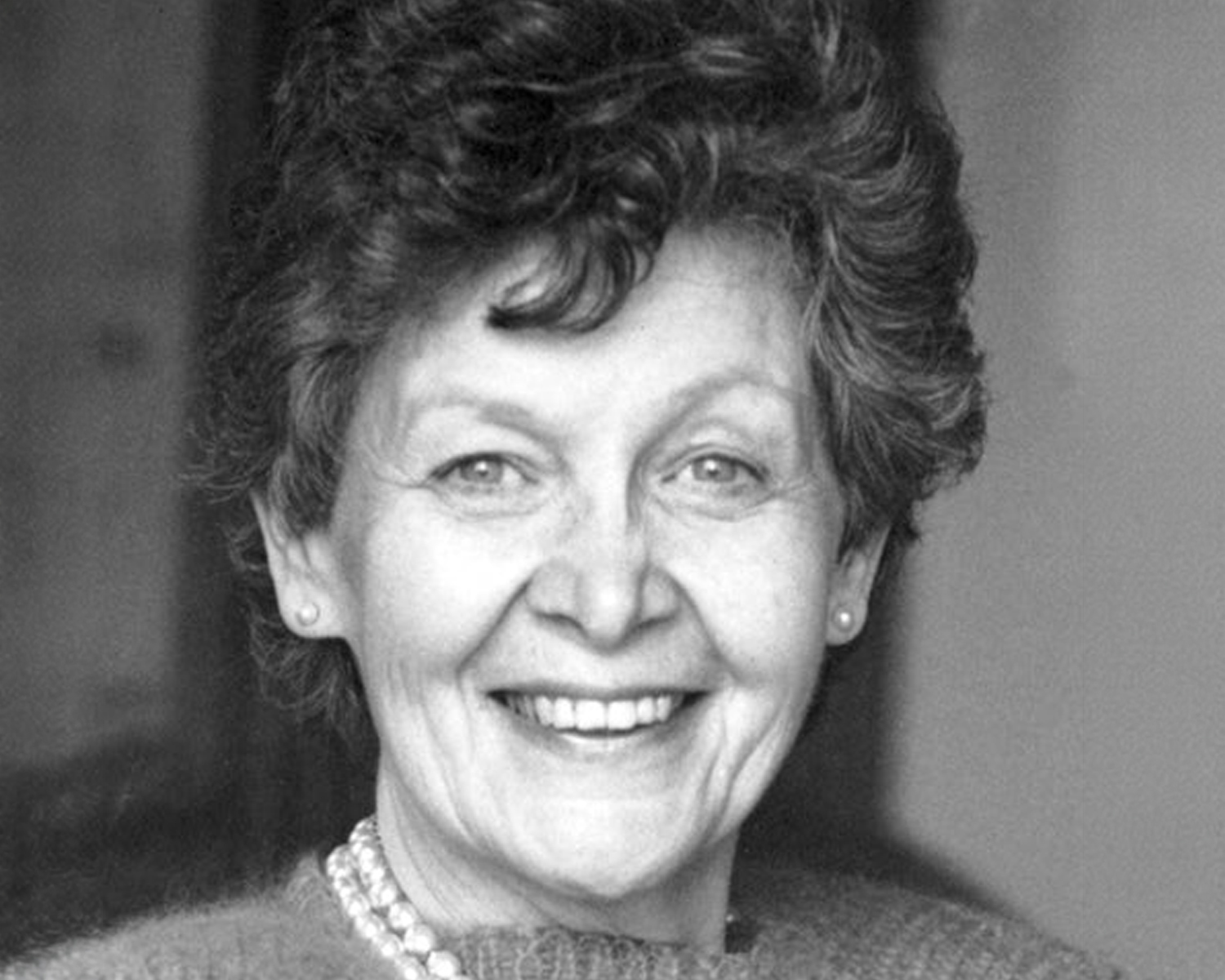
True transformation doesn’t come from constantly perfecting yourself, but from listening to what wants to be felt and lived deep within. The body, our dreams, and the unconscious can show us the way.
• Woodman didn’t see body and psyche as two separate worlds.
• According to her, what we don’t acknowledge emotionally or psychologically can also manifest through the body.
• She encouraged people to listen not just to their thoughts, but also to feelings, physical sensations, and intuitive signals.
• Woodman wrote extensively about what she called the conscious feminine.
• By this, she didn’t just mean femininity or something that belongs only to women, but qualities like receptivity, intuition, feeling, connection, creativity, and embodiment.
• When these qualities aren’t given enough space, she believed a strong emphasis on performance, rationalization, and control can arise.
• Growth comes from bringing these different forces into better balance with each other.
• Woodman explored both feminine and masculine psychological forces.
• Qualities traditionally seen as masculine or feminine can be present in every human being.
• Problems can arise when one side dominates and the other is given little space.
• Inner development doesn’t mean rejecting one side, but learning to recognize and integrate both.
• A key theme in her work is our tendency to want to be perfect.
• According to Woodman, fear, insecurity, and a need for control can hide behind perfectionism.
• Inner growth actually requires space for vulnerability, imperfection, and the unknown.
• In Addiction to Perfection, she explored the psychological and spiritual sides of this drive for perfection.
• Like Carl Jung, Woodman saw dreams as a major gateway to the unconscious psyche.
• Dreams can contain symbols and images that reveal what isn’t yet recognized in everyday consciousness.
• By exploring dreams symbolically rather than just literally, deeper inner processes can become visible.
• Imagination, symbolism, and archetypes therefore played a major role in her work.
• According to Woodman, personal development isn’t just about light, happiness, and positivity.
• Difficult emotions, loss, fear, and insecurity can be particularly important sources of awareness.
• What we’d rather suppress or avoid can be part of what Jung called the shadow.
• By meeting these sides of ourselves too, a deeper form of wholeness can emerge.

